
AUDIT · 01
Find the real bottlenecks
Review where speed, stability or functionality is breaking down.
Explore this capabilityInvestigate what is actually causing the issue—slow pages, unstable plugins, broken layouts or fragile deployments—then fix it in a way that keeps the working parts intact.

Design-to-code, testing, integrations and maintenance, carefully combined.
Review where speed, stability or functionality is breaking down.
Explore this capability
Use practical checks to understand what hurts user experience most.
Explore this capability
Trace plugin conflicts, theme issues and front-end defects carefully.
Explore this capability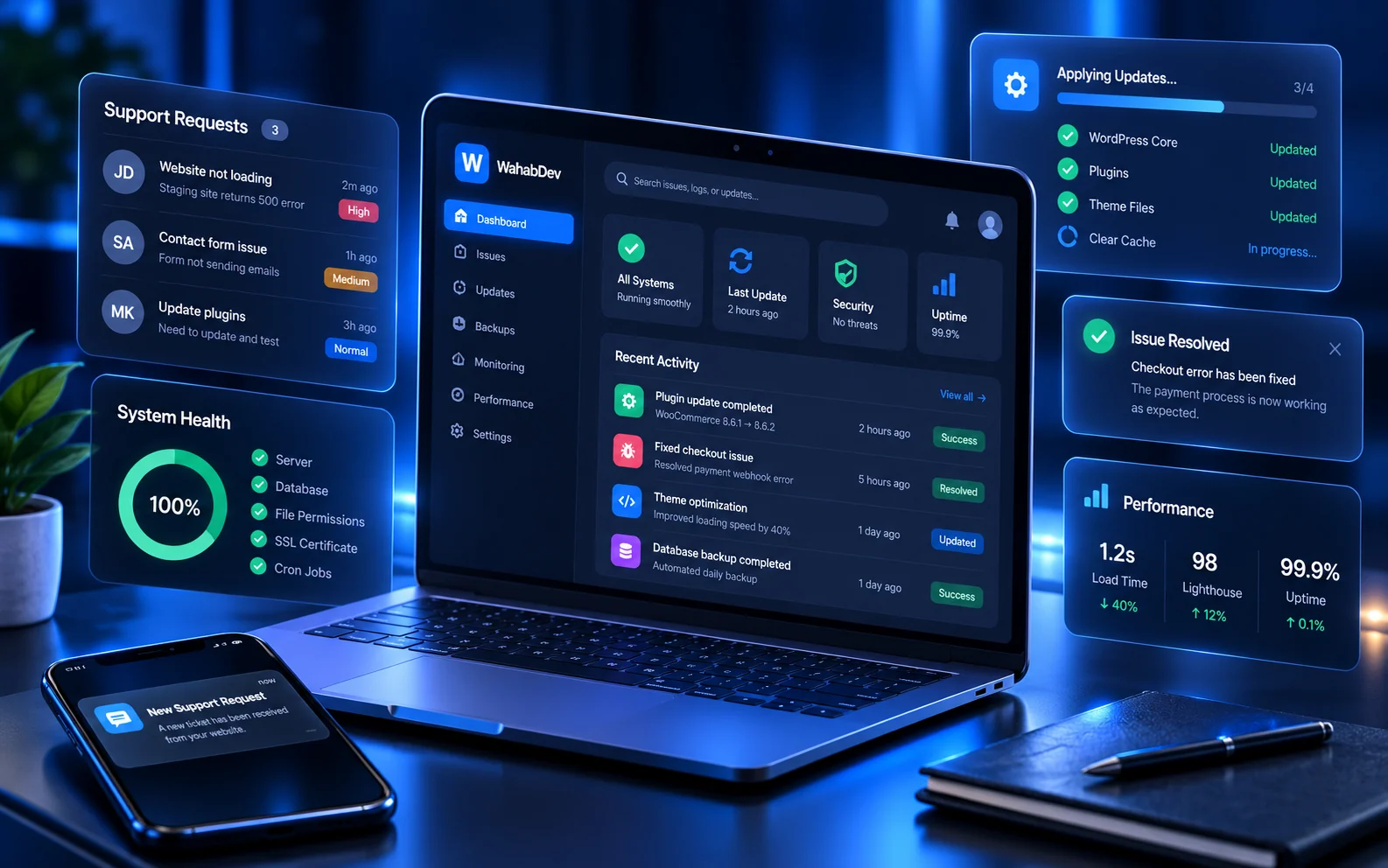
Protect existing functionality while fixing the unstable parts.
Explore this capability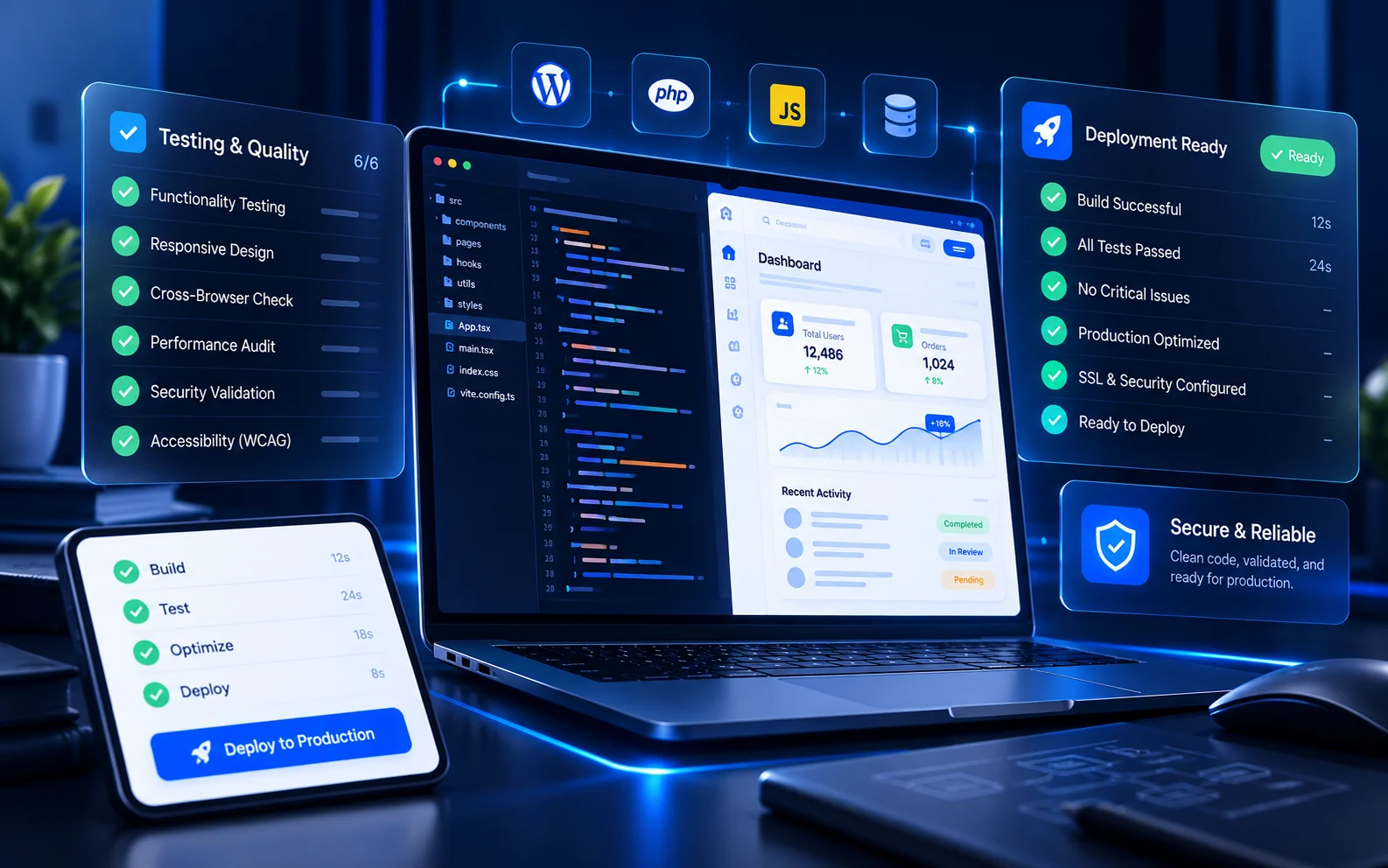
Check staging, device behaviour and release readiness.
Explore this capability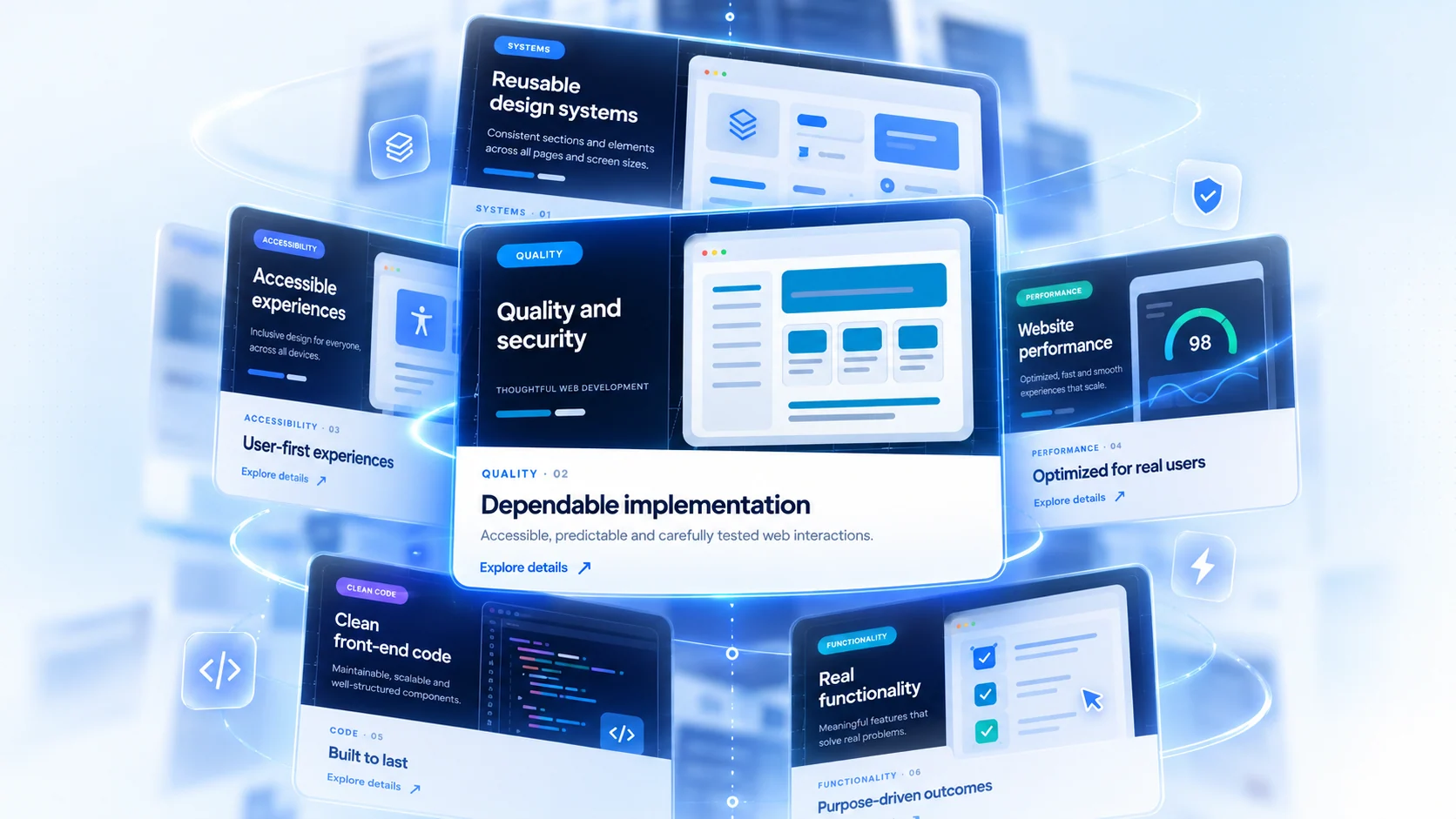
Deploy fixes with backups, validation and follow-up checks.
Explore this capabilitySelect a capability to see how maintenance and debugging work can improve reliability, speed and day-to-day usability.
Improve loading behaviour, visual stability and heavy front-end sections.
Plan this feature ↗Illustrated examples of custom interfaces and practical implementation.

Improve heavy pages, assets, scripts and rendering priorities.
Explore this capability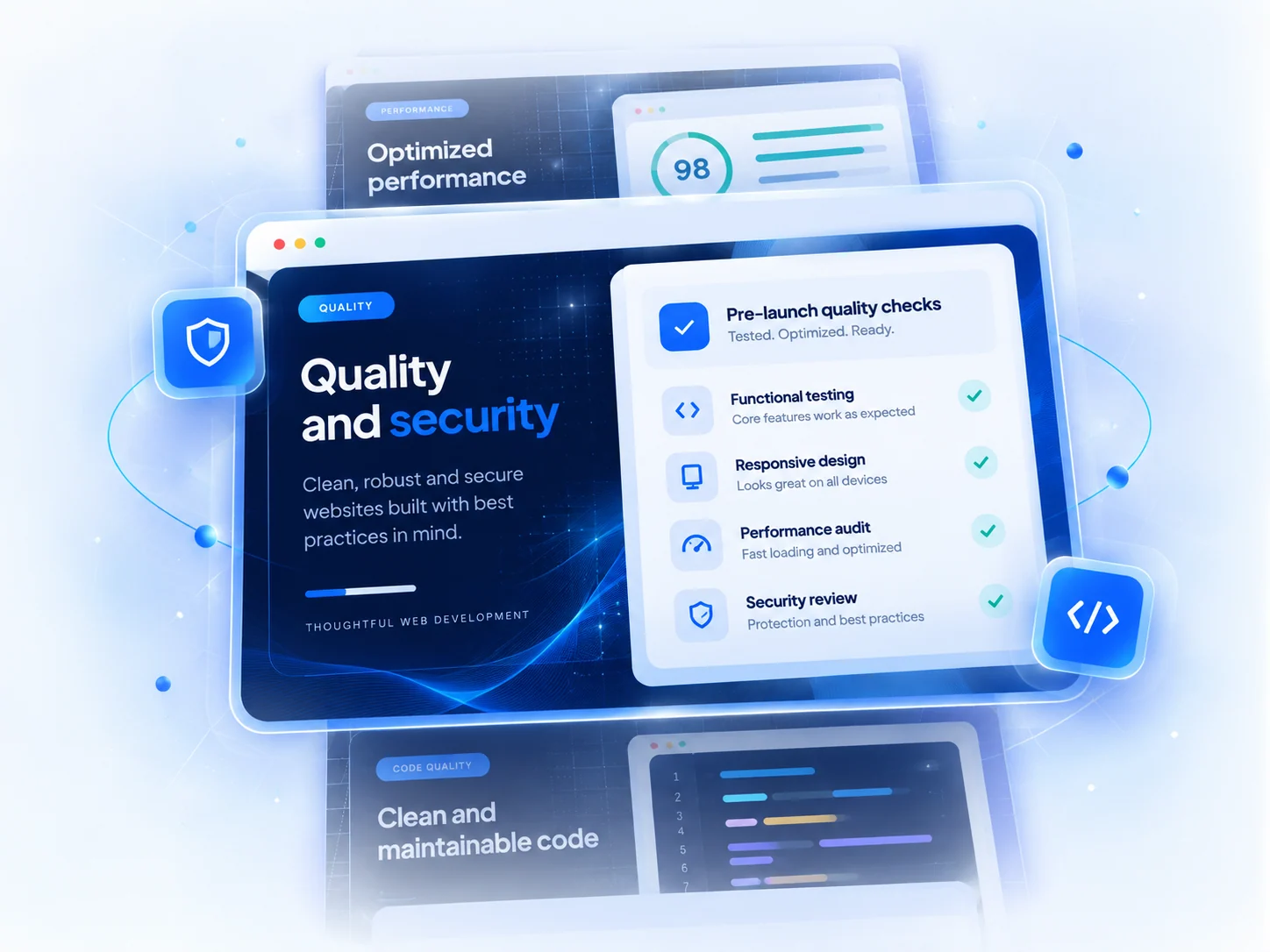
Resolve forms, broken sections, navigation issues and layout regressions.
Explore this capability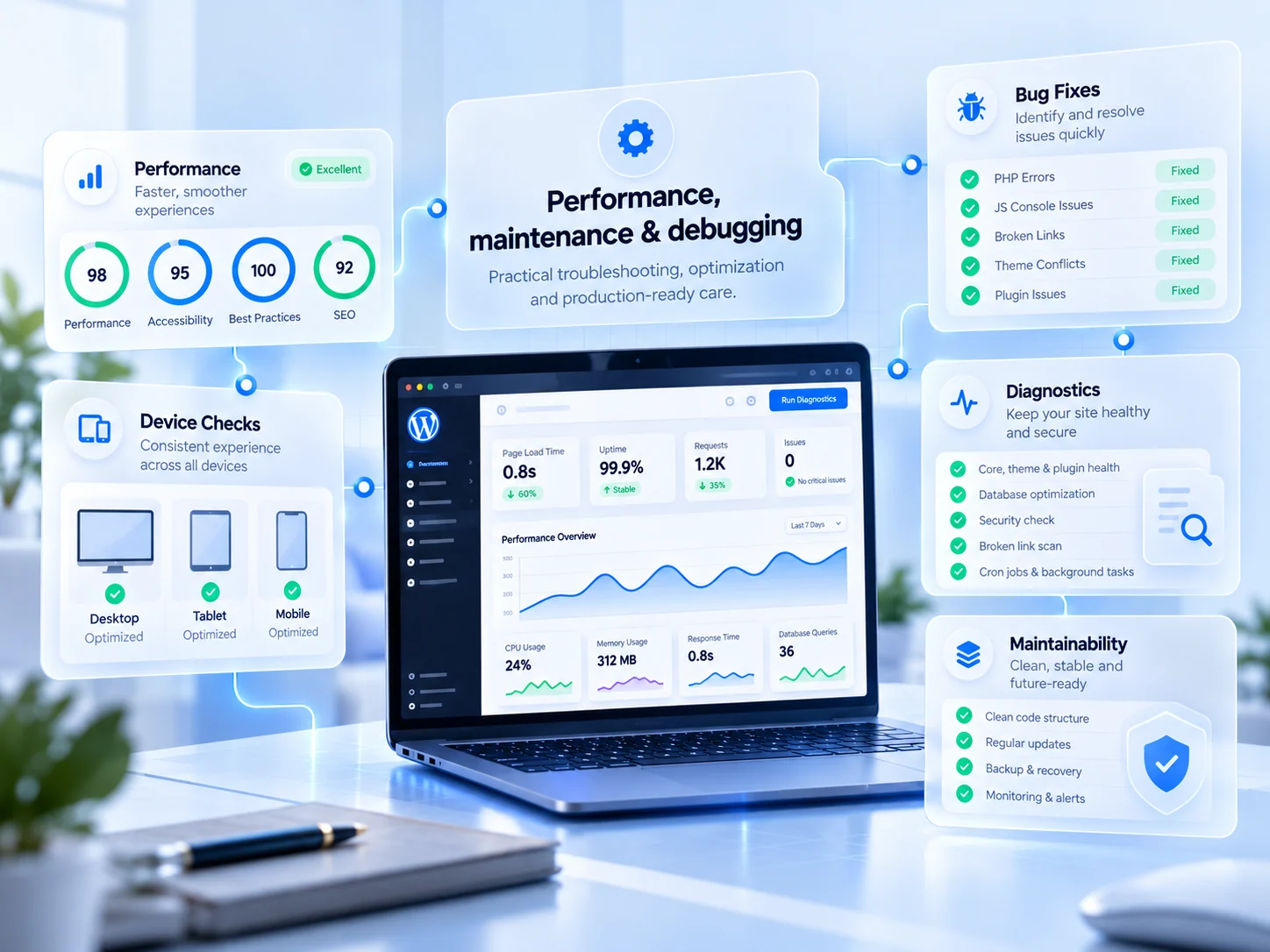
Keep an eye on regressions and repeated issues after launch.
Explore this capability
Structure troubleshooting around staging, backups and rollback awareness.
Explore this capability
Updates, permissions, safe maintenance habits and hardening awareness.
Explore this capability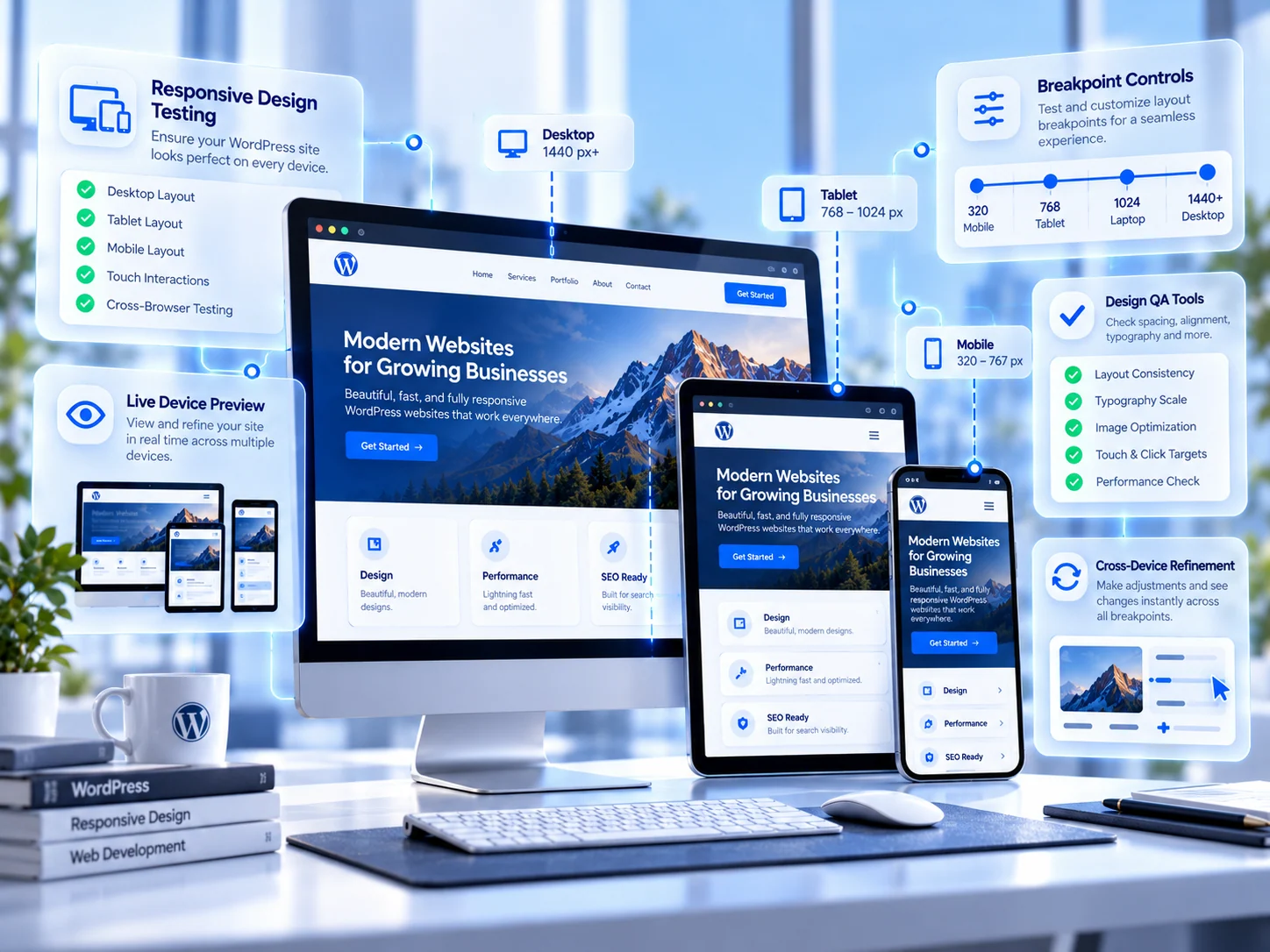
Fix breakpoints, overflow and device-specific defects that undermine trust.
Explore this capabilityScroll through five practical steps and see how this service turns initial scope into a cleaner, better-tested website outcome.
A practical debugging scope
Actual WahabDev portfolio examples that match the type of work behind this service page.
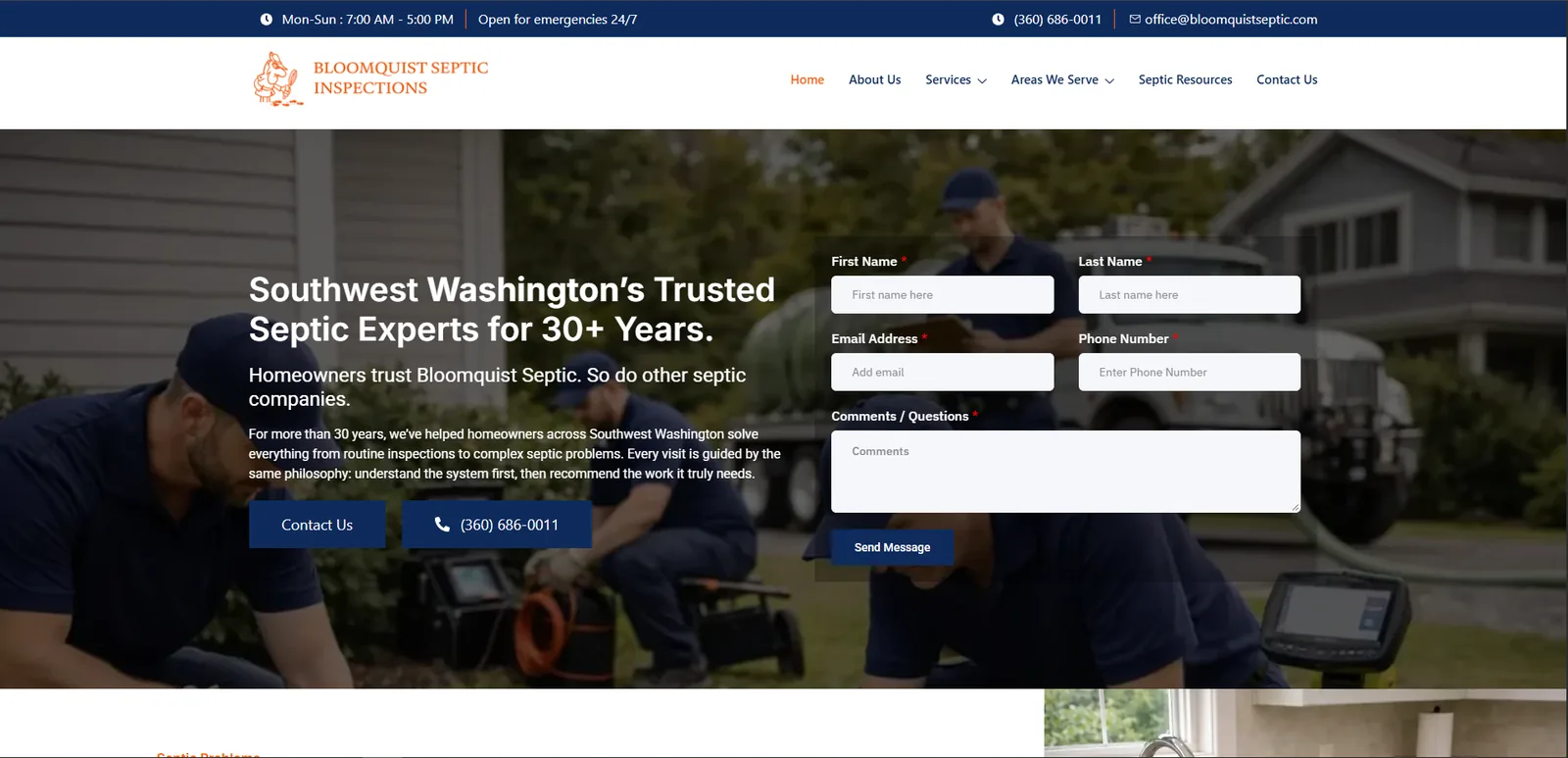
Conversion-focused local service website built to turn anxious homeowners into confident customers through clear messaging and free consultation CTAs.
Explore case study ↗Clear expectations make for better projects. Here are the questions clients commonly ask about this service.
Yes. This service is especially useful for existing sites that need targeted fixes and performance improvements.
No. WordPress, front-end and integration problems can all be investigated as part of the same troubleshooting process.
Where possible, yes. The goal is usually to improve reliability and usability without unnecessary visual changes.
Yes. Maintenance, iterative fixes and staged improvements can continue after the first debugging round.
That is the intention. Staging, backups and verification checks are part of the recommended workflow.
Share the current website, the issue to fix or the outcome you want. The right implementation starts with the right scope.
Specific answers for this service, so you can make a better project decision.
Measure mobile Core Web Vitals and server response time first. Compare the pages, devices and network conditions that matter, then inspect images, CSS, JavaScript, caching, fonts, database queries and third-party scripts.
No. Speed helps users and is part of page experience, but Google visibility also depends on useful content, relevance, indexing, competition and links. A lab score is not a ranking or lead guarantee.
Want to check implementation examples? Browse project case studies. Need a scoped estimate? Share the website and requirements.